

Engineered Oak Flooring and Underfloor Heating: What You Need to Know
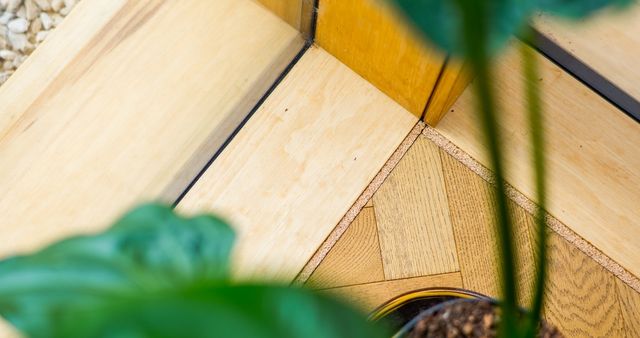
Underfloor heating has become one of the most popular choices for homeowners renovating or extending their properties across Gloucestershire, and for good reason. It provides a consistently comfortable warmth, eliminates radiators from wall space, and works beautifully with open-plan living layouts. If you are considering pairing it with engineered oak flooring, you will be pleased to know the two are very well suited to one another. At GK Joinery, our engineered European oak flooring range has been specifically selected with this in mind. Here is what you need to know before you make a decision.
Why Engineered Oak Outperforms Solid Wood Over Underfloor Heating
The key challenge with any timber floor and underfloor heating is movement. Wood is a natural material that responds to changes in temperature and humidity by expanding and contracting. When a floor is subjected to the repeated heating and cooling cycles of an underfloor heating system, a solid wood floor can be particularly vulnerable to warping, gapping, and cupping over time.
Engineered oak behaves very differently. Each board is constructed with a solid oak wear layer bonded to a high-performance plywood core. This multi-layered construction is inherently more dimensionally stable than a solid timber board, meaning it responds far better to temperature fluctuations without visible movement. Unlike solid wood flooring, engineered oak will not warp or gap when the heating comes on in winter or the humidity rises in summer. This makes it a genuinely reliable choice for rooms with underfloor heating, including the open-plan kitchen and living spaces where this type of heating system is most commonly installed. GK Joinery
You can see the full specification of our flooring range on the engineered oak flooring page.
Pre-Finished or Finish-on-Site: Which Works Best with Underfloor Heating?
Our engineered oak range offers two finishing options: boards that arrive pre-finished from the factory, and boards that are finished on site after installation. Both are compatible with underfloor heating systems, but there are practical considerations for each.
Pre-finished boards arrive ready to walk on immediately after installation, which reduces disruption and means the floor can be used as soon as the laying is complete. They are a strong choice where timing is important and where the finish applied in controlled factory conditions is preferred.
Finish-on-site boards are sanded and finished after installation, which can produce a very seamless result across a large floor area and allows for a bespoke finish that is perfectly tailored to your interior scheme. If you are finishing on site in a room with underfloor heating, it is important that the heating system has been commissioned and run through its initial cycles before any finish is applied, to allow the boards to acclimatise properly. Our team is always happy to advise on the best approach for your specific project. Visit our showroom or get in touch to discuss your requirements.
Creating a Cohesive Interior
One of the practical advantages of sourcing your engineered oak flooring through GK Joinery is that we can help you coordinate it with other joinery elements in your home. An oak staircase might complement oak internal doors, match engineered oak flooring throughout your home, or provide a warm contrast to painted bespoke joinery features elsewhere. Working with a single supplier for flooring, stairs, doors, and windows means consistent quality, matching timber tones, and a unified approach to the design of your home as a whole. GK Joinery
For Cotswolds and Gloucestershire properties in particular, this kind of cohesion between flooring and joinery can make a significant difference to the overall character of a renovation, whether the project is a traditional stone cottage or a contemporary extension.
Questions and Answers
Does underfloor heating affect the warranty on engineered oak flooring?
This depends on the specific product and installation method, so it is important to discuss this with us at the point of purchase. We will always ensure that the flooring specified for your project is confirmed as suitable for use with underfloor heating and will advise on any installation requirements that need to be followed to protect the integrity of the floor over time.
Does the floor need to acclimatise before installation?
Yes. It is standard practice to allow engineered oak boards to acclimatise to the conditions of the room in which they will be fitted before installation begins. This is particularly important in rooms with underfloor heating, where the environment can differ significantly from a delivery vehicle or storage area. Our team will advise on the recommended acclimatisation period for the specific boards you have chosen.
Can engineered oak be installed over an existing floor?
Our engineered boards suit a variety of subfloors and fitting methods, making them practical for both new builds and period properties. Whether you have a concrete screed, a timber subfloor, or an existing floor covering that needs to be removed and replaced, we can advise on the most appropriate installation method for your circumstances. Contact us to arrange a consultation. GK Joinery