

How to Choose the Right Finish and Colour for Your Bespoke Timber Joinery
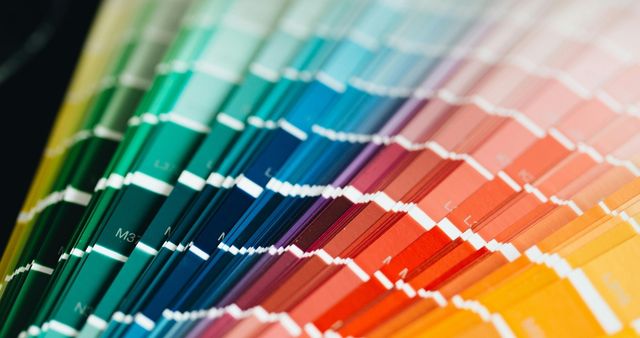
One of the most enjoyable parts of ordering bespoke timber windows and doors is the opportunity to choose a finish and colour that genuinely suits your home. Unlike mass-produced joinery, which typically offers a limited palette, our bespoke approach means virtually any colour is achievable. That said, choosing well requires more thought than simply picking a shade you like. The right finish needs to work for your property type, your exposure to weather, and the long-term look you want to achieve. Here is a practical guide to help you make that decision with confidence.
Understanding Microporous Finishes
At GK Joinery, all of our joinery is finished in-house by our own team using high-quality microporous products, applied by spray under controlled conditions. The term microporous is important. Unlike conventional paint, a microporous finish allows the wood beneath to breathe, meaning moisture can pass through the coating rather than becoming trapped. This prevents the blistering, peeling, and cracking that has historically given painted timber a poor reputation. It is the reason our finishes perform so well and last so long. You can read more about our finishing process on the spray finishing information page.
Painted Finishes: The Most Popular Choice
A painted finish is the most versatile option and suits the widest range of properties, from contemporary new builds to traditional Cotswold stone cottages. We can match virtually any colour from the major British paint manufacturers, so if you have a colour scheme in mind for your home, we can almost certainly achieve it.
For doors, colour is a particularly important decision since your front door is one of the most visible features of your home. Deep greens, navy blues, and classic blacks remain perennial favourites for entrance doors in Gloucestershire, while softer heritage shades suit period properties especially well. Browse our doors gallery to see the variety of colours we have achieved for clients across the region.
For windows and bi-fold doors, white and off-white remain the most popular choices, though colour-matched frames are increasingly sought after, particularly where windows and doors are being specified as part of a wider renovation.
Dual Colour Finishing
One of the options we offer that homeowners often find particularly useful is dual colour finishing, where the exterior face of the joinery is finished in a different colour to the interior face. This is a practical solution when the outside of your property requires a specific colour to satisfy planning requirements or to match existing joinery, whilst you want a different tone inside your home. The two finishes are both factory applied and provide the same level of durability and protection.
Stained and Translucent Finishes for Accoya
For customers who prefer to see the natural character of the timber rather than a fully painted look, translucent stain finishes are available for joinery manufactured in Accoya. These allow the grain and warmth of the wood to show through while still providing excellent protection from moisture and UV exposure. The Accoya stain range offers a considered selection of shades from natural oak tones through to deeper, richer finishes. Take a look at our bespoke joinery gallery for examples of stained Accoya in use. You can also visit our showroom to see colour and finish samples in person, which we always recommend before making a final decision.
Planning and Conservation Considerations
For properties in conservation areas, or those with listed building status, your choice of finish colour may need to be agreed with your local planning or conservation authority before installation proceeds. We have extensive experience working in these environments and can advise on appropriate choices that are likely to gain approval. Our FAQs page covers some of the most common questions we receive about this area.
Ready to choose your finish? Contact us to arrange a consultation, or download our brochure to explore our full range.
Questions and Answers
How long will a factory-applied finish last before it needs recoating?
With modern microporous finishes applied under controlled factory conditions, you can expect the initial finish to last considerably longer than a site-applied alternative. A good guideline is to carry out a simple inspection every year and plan for a recoat after a number of years, depending on the exposure of the elevation. South and west-facing joinery, which receives the most weather and UV, will typically need attention sooner than more sheltered aspects. Full guidance is provided on our warranties and maintenance page.
Can I use any paint when it comes to recoating?
No. It is essential to use a high-quality microporous paint product specifically formulated for timber joinery. Using a standard household paint risks trapping moisture within the wood, which can lead to rot and premature failure of the coating. We are happy to advise on appropriate products at the time of purchase.
Can I change the colour of my joinery in the future?
Yes. One of the great advantages of timber over uPVC is that it can be sanded back and refinished in a different colour at any point. This gives you flexibility to update your home’s appearance over the years without replacing the joinery entirely, which is far more sustainable as well as more cost-effective.