

What is Accoya? Why We Use It for Our Bespoke Timber Joinery
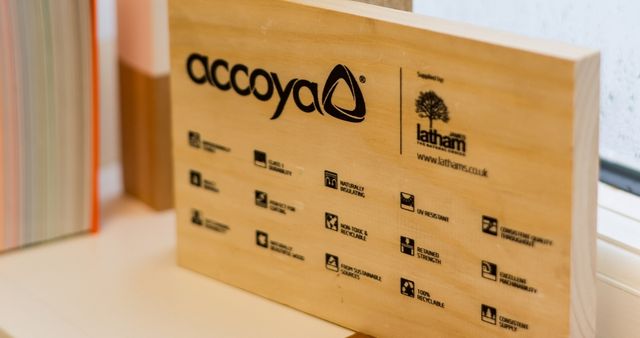
If you have been researching bespoke timber windows and doors, you have almost certainly come across the name Accoya. It appears on our homepage, our product pages, and throughout our gallery. Customers regularly ask us what it is, why it commands more attention than other timbers, and whether it is worth specifying for their project. The answers are straightforward, and we are proud to be an approved Accoya manufacturer. Here is everything you need to know.
What Exactly is Accoya?
Accoya is not a species of tree. It is a solid wood that has been modified through a process called acetylation. In simple terms, the wood is treated with acetic anhydride, which permanently alters the wood’s cell structure. The result is a timber that is far more resistant to rot, moisture, and the expansion and contraction that causes problems with untreated wood over time. The process uses non-hazardous substances and the finished product is completely safe, both for people and for the environment.
The base species used for Accoya is radiata pine, grown in responsibly managed, FSC-certified forests. Accoya itself holds FSC certification and is also Cradle to Cradle Gold certified, reflecting its strong environmental credentials. You can read more about how this fits into our broader approach on our sustainability page.
Why is Accoya So Well Suited to Joinery?
The properties that acetylation creates make Accoya exceptional for windows, doors, bi-fold doors, and conservatories. Here is why it performs so well in practice.
Dimensional stability. One of the most common causes of problems with timber joinery is the movement of wood as it responds to changes in temperature and humidity. Accoya moves significantly less than untreated timber, which means doors and windows are far less likely to stick, warp, or develop gaps in their seals over time.
Exceptional durability. Accoya is independently rated as Durability Class 1, the highest category available, meaning it is considered equivalent to the most naturally durable hardwoods in terms of resistance to rot and decay. This is particularly relevant for joinery that is exposed to the British climate year-round.
Outstanding paint adhesion. Because Accoya absorbs far less moisture than conventional timber, the factory-applied coatings we use bond to it far more effectively. This is one of the key reasons our finishes last so well. Our in-house team spray finishes all Accoya joinery under controlled conditions using high-quality microporous products. You can find out more on our spray finishing information page.
Sustainability. For homeowners who care about the environmental credentials of the materials used in their home, Accoya is a genuine standout. Because it lasts so much longer than standard timber, and because its production process generates very low carbon emissions relative to alternatives such as aluminium, choosing Accoya is a responsible long-term decision. We also plant a tree for every order placed with us as part of our membership of Just One Tree.
Is Accoya Right for Every Project?
Accoya is an excellent choice for the majority of external joinery projects, and we recommend it particularly for south- or west-facing elevations where exposure to weather and UV is greatest. For heritage projects or properties where a specific hardwood is required for aesthetic or planning reasons, we also work with other carefully selected timbers. Our team will always recommend the most appropriate material for your specific circumstances. Take a look at some examples in our bespoke and heritage joinery gallery, or get in touch to discuss your project with us directly.
Questions and Answers
Is Accoya suitable for listed buildings and conservation areas?
Yes. The use of Accoya does not affect the visual characteristics of the joinery, which is what matters most to planning and conservation officers. Because we can manufacture Accoya joinery to precisely replicate historic profiles and details, it is widely accepted for use in sensitive settings. We have considerable experience working with listed buildings and can advise on your specific situation.
How does Accoya compare to hardwood in terms of appearance?
When painted, Accoya joinery is visually indistinguishable from joinery made from a hardwood such as oak or iroko. It takes paint exceptionally well and produces a clean, crisp finish. For those who prefer a stained or natural timber look, we can also discuss which timber species would be the best fit.
Does Accoya come with a warranty?
Yes. As an approved Accoya manufacturer, we are able to offer a warranty on the Accoya material itself as part of our broader warranties and maintenance package. We encourage all customers to read through the full terms so they understand what is covered and how to care for their joinery correctly.